hello大家好,今天小编来为大家解答以下的问题,光伏上网电价英文(光伏全额上网电价),很多人还不知道,现在让我们一起来看看吧!
The English term for \"光伏上网电价\" is \"photovoltaic feed-in tariff\". This refers to the full-grid electricity price for photovoltaic power generation.
In recent years, with the increasing global demand for renewable energy, the photovoltaic industry has experienced significant growth. Governments around the world have been actively promoting the development of photovoltaic power generation by implementing feed-in tariffs.
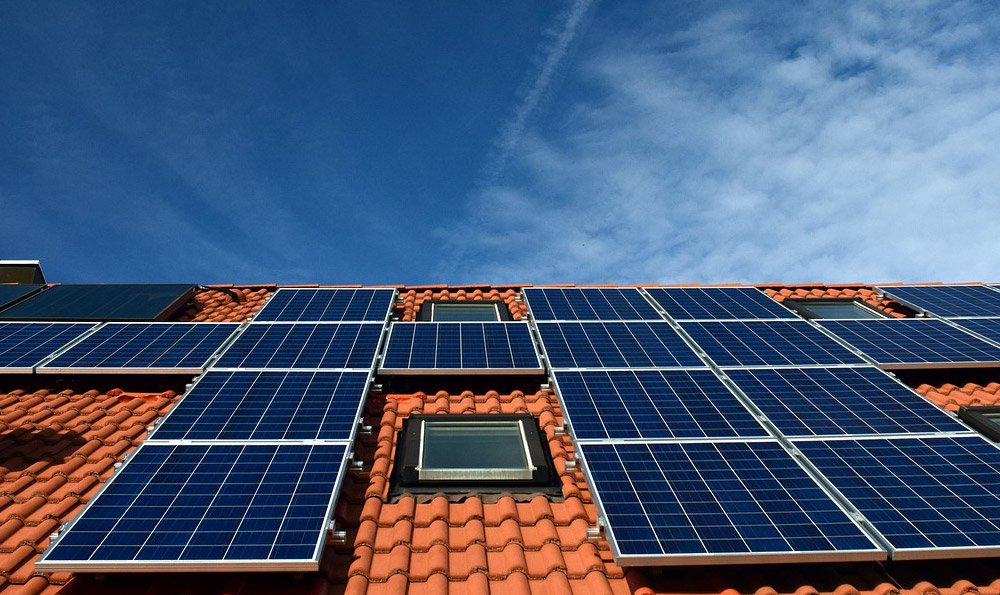
The photovoltaic feed-in tariff is a policy mechanism that guarantees the purchase of solar-generated electricity at a fixed rate for a certain period of time. This incentive has encouraged the installation of solar panels on rooftops, open spaces, and even in large-scale solar farms.
The photovoltaic feed-in tariff plays a crucial role in promoting the expansion of renewable energy generation capacity. It provides long-term stability and predictability for investors, enabling them to recover their investment and generate profits through the sale of electricity. This policy mechanism also helps reduce the dependence on fossil fuels and mitigate climate change by increasing the share of clean energy in the overall energy mix.
The calculation of the photovoltaic feed-in tariff varies from country to country and is often based on factors such as the cost of generation, the cost of grid connection, and the desired return on investment. Generally, the rate is set higher than the retail electricity price to incentivize the development of solar energy projects.
Countries like Germany, Spain, and China have implemented successful photovoltaic feed-in tariff programs, resulting in a significant increase in solar power capacity. These programs have not only stimulated the domestic solar industry but also created job opportunities and contributed to the reduction of greenhouse gas emissions.
In conclusion, the photovoltaic feed-in tariff, or \"光伏上网电价\", is a policy tool that has proven effective in promoting the development and utilization of solar energy. With its implementation, countries can harness the power of the sun, reduce carbon emissions, and move towards a more sustainable future.
光伏上网电价英文(光伏全额上网电价)
光伏上网电价和标杆电价在制定方式和价格水平上存在明显差异。
光伏上网电价主要是由发电企业与电力购买方协商确定,其组成部分包括上网电价和分布式补贴。这种电价是根据市场供求关系确定的,可以根据地区和时间的不同进行相应调整。
标杆电价则是由政府对各种类型的电力发电成本进行估算,并制定的一种参考电价。这种电价通常比上网电价略高,如果上网电价低于标杆电价,电力企业可能会面临亏损的局面。标杆电价的主要目的是保护各类电力发电企业的合法权益,促进电力市场平稳健康发展。
光伏上网电价和标杆电价在制定方式和价格水平上有所不同,但两者都是为了促进可再生能源的发展、保护电力市场运行平稳等目的而设立的电力销售标准和参考标准。
光伏发电上网电价
光伏发电全额上网的电价取决于所在地区能源局划分的资源区类型。
一类资源区的上网标杆电价为0.8元每度,二类资源区为0.88元每度,三类资源区为0.98元每度。这些价格是标杆电价,具体价格可能会因地区和政策等因素有差异。
光伏翻译
光伏英文:Photovoltaic。
光伏行业Photovoltaic industry。
光伏电站Photovoltaic power station。并网光伏电站Grid-connected PV power station。
多品Poly crystalline。
单品Mono crystalline。
光伏组件 PV module。
光伏支架PV support bracket。
汇流箱Combining manifolds。
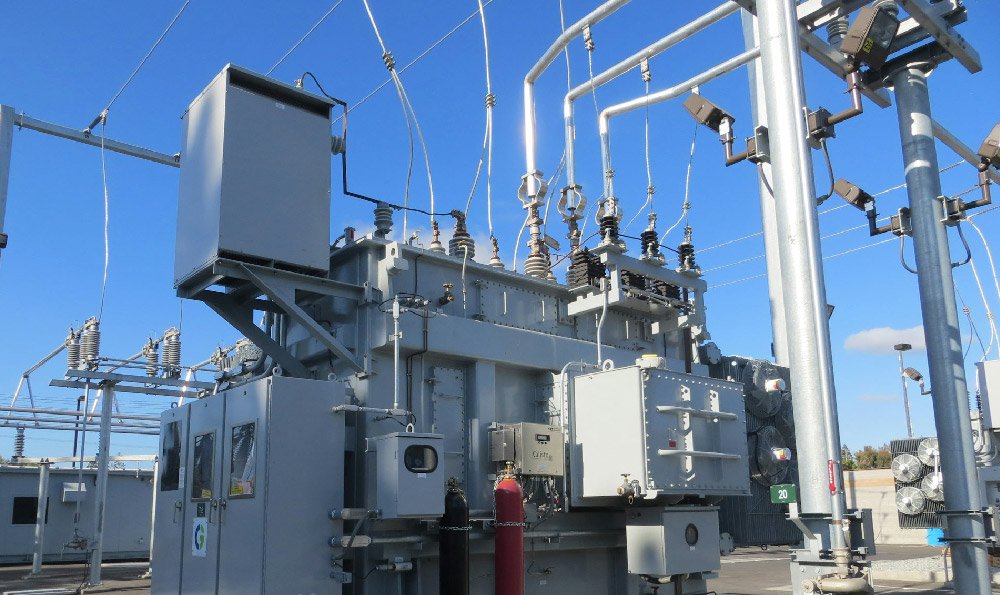
逆变器Grid-connected inverter。电力变压器Power transformer。
油漫式变压器oil-immersed type transformer。
干式变压器Dry-type transformer。
中性点端子Neutral terminal。
光伏全额上网电价
根据国家能源局2020年最新发布的通告,在电价方面国家也做出了相应的调整,集中式光伏发电三类资源区的指导电价分别调整为每千瓦时0.35元、0.4元、0.49元;广东是Ⅲ类,0.49元/W,是电价最高地区。降低工商业分布式光伏发电补贴标准,市场竞争形成的价格不得超过所在资源区指导价,且补贴标准不得超过每千瓦时0.05元;
纳入2020年财政补贴规模的户用分布式光伏全发电量补贴标准调整为每千瓦时0.08元。
也就是说,现在光伏电站发电基本实现了平价上网,国家政策补贴力度逐渐降低。但好的是2020年光伏电站电价成本也下降了,根据行业下游供应商浙江碳银-碳盈协同给出的报价,分布式光伏电站安装成本仅在3.5元/W左右,安装20KW的电站,加上安装等总成本仅在7万元左右,相比2019年,成本下降了15%左右。现在安装也是很好的时机。
碳银光伏业务覆盖浙江、江苏、山东、福建、广东等省份,浙江碳银光伏针对于户用光伏电站推出了“零首付”的普惠金融伏分期产品,农户可以像分期买车一样购买电站了。
浙江碳银光伏的分期产品是与工商银行联合推出的,最长可以贷款8年,分期费率只有3.3%,最高可以贷款15万元。如果你对光伏电站感兴趣,可以到碳银网网页链接,或碳盈协同APP了解,电站勘测、业务政策等可以咨询广东地区负责人。
光伏电站上网电价
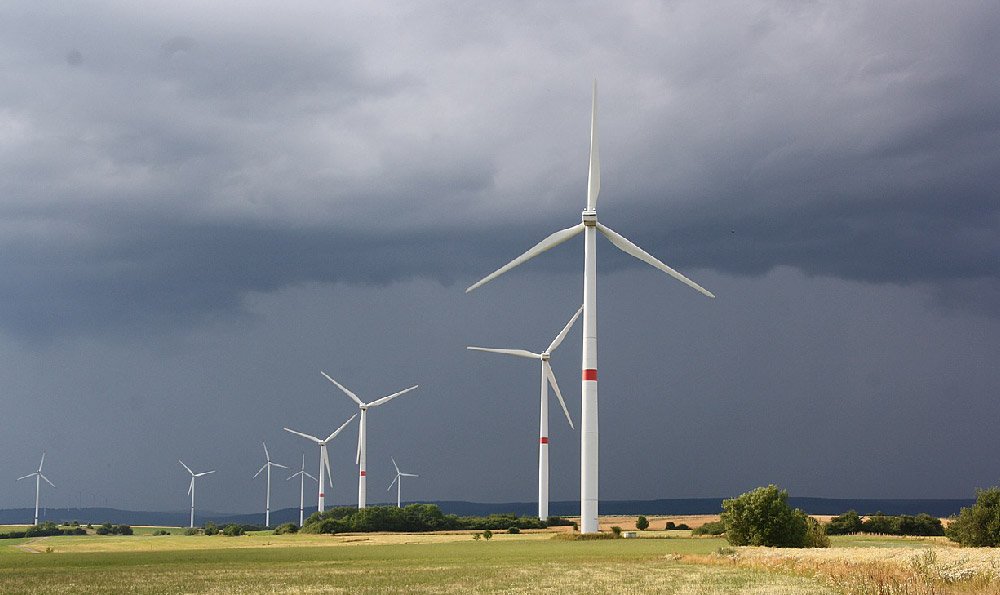
天津光伏上网电价和补贴根据不同情况有所不同。根据2020年的政策,采用“自发自用、余量上网”模式的工商业分布式光伏发电项目,全发电量补贴标准调整为每千瓦时0.05元;采用“全额上网”模式的工商业分布式光伏发电项目,按所在资源区集中式光伏电站指导价执行。根据分布式光伏发电项目的发电量,市级财政还按项目实际发电量给予补贴。补贴标准为每千瓦时0.42元(含税,下同),光伏发电项目自投入运营起执行标杆上网电价或电价补贴标准,期限原则上为20年。
关于“光伏上网电价英文(光伏全额上网电价)”的具体内容,今天就为大家讲解到这里,希望对大家有所帮助。